Understanding the psychological impacts of gambling on decision-making processes
The Nature of Gambling and Its Appeal
Gambling is a multifaceted activity that captivates millions worldwide, drawing individuals into a realm where risk and reward intersect. The thrill of potential financial gain, coupled with the excitement of chance, fosters a unique psychological environment. This allure often leads to impulsive decision-making, as the prospect of winning can cloud judgment, resulting in choices that may not align with an individual’s better interests. For a comprehensive overview, you can visit https://pinko-betting.ca/.
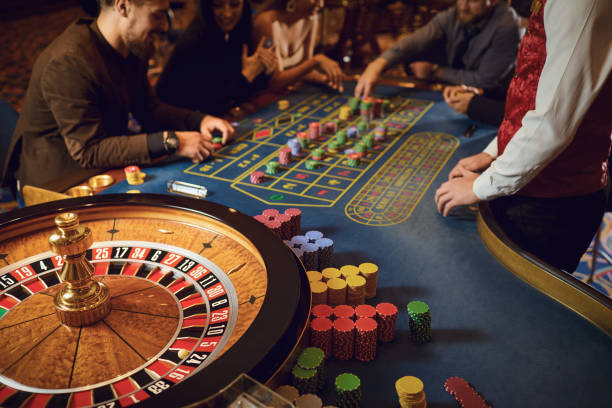
The psychological mechanisms at play are deeply rooted in the human brain. The release of dopamine during gambling experiences creates a pleasurable feeling, reinforcing the behavior. This biochemical reaction can lead to a cycle of seeking more significant thrills, often causing players to overlook the potential negative consequences of their choices.
Cognitive Biases and Gambling
Cognitive biases significantly influence how individuals approach gambling. These mental shortcuts can skew perceptions of risk, leading to overconfidence in one’s abilities. For instance, the “gambler’s fallacy” occurs when players believe that past outcomes will influence future results, resulting in misguided strategies and decision-making. In the case of Pinko Bet, users might find themselves falling into these biases while engaging with various games.
Moreover, the illusion of control is another powerful bias in gambling contexts. Many individuals believe they can influence outcomes based on past experiences or personal strategies. This false sense of agency can exacerbate poor decision-making, as players may wager more than they should in the hope of regaining losses.
The Role of Emotions in Decision-Making
Emotions play a crucial role in gambling behavior, often driving impulsive decisions. Excitement can lead to increased risk-taking, while feelings of frustration or disappointment may push individuals to make irrational choices in an attempt to recover losses. This emotional rollercoaster creates a challenging environment for sound decision-making, particularly within the framework of Pinko Bets.
Additionally, the social context of gambling can amplify emotional responses. Whether in a casino or online, the interactions and atmosphere can heighten excitement, leading to reckless choices. Players may find themselves caught up in the moment, making decisions that they would typically avoid in a calmer state.
Long-Term Psychological Effects of Gambling
Engaging in gambling over an extended period can result in significant psychological effects. Compulsive gambling, classified as a behavioral addiction, leads to persistent and uncontrollable urges to gamble despite adverse consequences. This addiction can severely impact an individual’s decision-making abilities, often resulting in financial ruin and strained relationships.
The long-term effects extend beyond the individual to their families and communities. As decision-making becomes increasingly impaired, individuals may engage in deceitful behaviors to fund their gambling, exacerbating personal and societal issues. This cycle underscores the importance of understanding the deeper psychological impacts of gambling.
Discovering Responsible Gambling with Pinko Bet
At Pinko Bet Canada, we prioritize responsible gambling practices to help players make informed decisions. Our platform offers a comprehensive range of tools and resources designed to promote healthy gambling habits, ensuring that individuals enjoy their experience without jeopardizing their well-being.
By providing access to educational materials and support, Pinko Bet Login aims to empower users in their decision-making processes, reinforcing the importance of moderation. Whether you’re a seasoned bettor or new to gambling, our commitment to customer satisfaction ensures a safe and enjoyable gaming environment for all.